Sausage sauces for pasta are sometimes a bit like this. Cutting the sausages into discs enables you to brown the meat instead of just the skins; it also removes bursting as an issue. For 2.
Olive oil
4 sausages, or 4 chorizos, sliced into discs
1 clove garlic, chopped
1 onion, sliced
1 red pepper, deseeded and cut into fork-sized pieces
1tbsp paprika
Cayenne pepper to taste (or dried chilli flakes)
Salt to taste
1 tin chick peas, drained
Put a splash of oil into a heavy pan, and brown the sausage pieces over a low heat. Particularly if they are chorizos, they will throw off their own fat.
Add the garlic, onion, and red pepper, with a little more oil if necessary, stir, and cover the pan. Continue cooking over a low heat, stirring regularly. The peppers and onions will throw off their liquid, so it will be safe to add the paprika and cayenne (or chilli flakes), which might have burned in the oil otherwise. Add salt, remembering that the sausages are seasoned (and that your chick peas may have been preserved in brine).
Add the chick peas, stir again, and continue to cook, covered, for a further 10 minutes.
Serve with rice. (Mashed potato would be possible too, if you wanted a richer meal.)
Showing posts with label Sausages. Show all posts
Showing posts with label Sausages. Show all posts
Sunday, November 17, 2013

Saturday, November 10, 2012
Toad in the hole, in a frying pan

The cast-iron frying pan (28cm) in the picture, like my shallow casserole dish (Steamed fish, spring onion sauce), will go in the oven as well as on the hob. Because my smallest roasting tin was too large for the quantity of batter I needed, I used the frying pan for a toad in the hole.
The batter (for 3 to 4)
100g flour
2 eggs
250ml liquid – 200ml whole milk/50ml water
Salt
In the past I have advocated pouring the flour gradually into the liquid. But, as long as you do not beat the mixture too vigorously, I think that the other way round works fine too. So: fold the eggs into the flour, and gradually add the milk/water mix, blending it with a whisk with each addition. Add salt to taste.
You are supposed to allow the batter to rest for half an hour. The resting helps develop the gluten that will bind it, but may not be necessary.
Heat the pan in a gas mark 6/200C oven, with a couple of tbsps of sunflower oil. After 10 minutes, take out the pan, and put it on the hob, on a low/medium heat. Pour in the batter.
Roll the sausages in a little oil, which will help to prevent the exposed skin from drying and cracking. Place the sausages in the batter, and put the pan back into the hot oven for 30 minutes, or until the batter is set and browned.
The batter does not have such a crispy base as it would have developed in a roasting tin, but is fine in every other respect.
Toad in the hole
Saturday, April 16, 2011
Sausage casserole with new potatoes and onions

This dish was not entirely successful. I had intended it to be a version of a dish I make with new potatoes, onions, garlic, pancetta, and olive oil: I just mix them all up in a heavy casserole, and cook them at gas mark 6/200C for 30 minutes, and at 4/180C for a further 30 (stirring them up every so often). The onions keep the dish moist; the oil and the fat give it an unctuous quality.
I cooked the substantial quantity in the photo just for myself, with 4 new potatoes (medium-sized), 1 clove of chopped garlic, 2 roughly chopped onions, some salt, 2tbsps of olive oil, and the 3 sausages.
The challenge, I thought, was to brown the sausages without splitting them. I put them on a medium heat with the oil, and kept them moving all the time. They browned quickly. Then I tipped in the other ingredients, stirred everything around, and put the dish in the oven. As you can see, the sausages split anyway, while they were baking. But they didn't impart any flavour to the potatoes and onions. I might as well have fried them separately.
I cooked the substantial quantity in the photo just for myself, with 4 new potatoes (medium-sized), 1 clove of chopped garlic, 2 roughly chopped onions, some salt, 2tbsps of olive oil, and the 3 sausages.
The challenge, I thought, was to brown the sausages without splitting them. I put them on a medium heat with the oil, and kept them moving all the time. They browned quickly. Then I tipped in the other ingredients, stirred everything around, and put the dish in the oven. As you can see, the sausages split anyway, while they were baking. But they didn't impart any flavour to the potatoes and onions. I might as well have fried them separately.
Sunday, November 07, 2010
Gluten-free batter

I am not sure whether one can make a satisfactory batter with gluten-free flour. The batter in the picture consists of 150g of Doves self-raising gluten free flour, 400ml milk and water combined (half and half), and two eggs. As you can see, it is disconcertingly pale. It is also, like the pancakes I once made to the same recipe, rather doughy in texture - not unpleasant, but not quite what one aims for.
The Yorkshire pudding recipe on the Doves website includes, as well as the gluten-free flour, cornflour and xanthan gum (a stabiliser and emulsifier). I imagine that it would produce a still more doughy result - but I won't know until I try.
The Yorkshire pudding recipe on the Doves website includes, as well as the gluten-free flour, cornflour and xanthan gum (a stabiliser and emulsifier). I imagine that it would produce a still more doughy result - but I won't know until I try.
Monday, March 01, 2010
Sausage and lentil stew
4 sausages, cut into fork-sized discs (you can't do this neatly - no matter)
80g smoked pancetta, cubed
2tbsp olive oil
1 onion, chopped
2 cloves garlic, chopped
150g lentils, Puy or Puy-type, rinsed
250ml (or more) chicken stock (I used half a cube, and water)
1 bay leaf
1 dried chilli
A few splashes of Worcester sauce
In a heavy pan or casserole, fry the sausage chunks and pancetta in the oil, over a low to medium heat. Don't turn up the heat too high: the oil will burn, and bits of sausage will stick to the pan and burn too. Be patient until the meat starts to brown - about 10 to 15 minutes.
I don't think you need to remove the sausage from the pan now, as McEvedy advises. Throw in the onion and garlic, and keep everything moving until the onions have softened - five to 10 minutes.
Tip in the lentils with the stock, bay leaf, chilli, and sauce (optional). You want enough liquid just to keep the lentils submerged. Bring the contents of the pan to a simmer, cover it, and continue cooking on a very low heat. Check from time to time, because the lentils will absorb some of the liquid, which you may need to top up.
The trick is to maintain the liquid at a level that will cook the lentils but that will not leave you with a very sloppy stew. They may take 45 minutes to an hour to tenderise - about twice as long as normal. When they're soft enough, remove the pan lid to allow some liquid to evaporate.
Test the seasoning. You can add salt now: if you had done so earlier, it might have toughened the lentils. If you have parsley, chop it and stir it in.
Sunday, May 31, 2009
Baked sausages, revised
My objections to baking sausages have been that the heat required to brown them may cause them to dry up, and that the skins often get tough. Being dense, I didn't twig until I read a Jamie Oliver recipe that the obvious solution to the latter problem was to roll the sausages in the oil or fat (I use olive oil, mostly, and rub it over them with my hands) first.
My theory had been that frying sausages on the lowest possible heat was the best way to retain their tenderness and juiciness. But practice has not borne it out. Baking them at what would appear to be the dangerously high heat of gas mark 6/200C for 30 minutes, turning them once, works fine.
For previous - and possibly misleading - entries, start here.
My theory had been that frying sausages on the lowest possible heat was the best way to retain their tenderness and juiciness. But practice has not borne it out. Baking them at what would appear to be the dangerously high heat of gas mark 6/200C for 30 minutes, turning them once, works fine.
For previous - and possibly misleading - entries, start here.
Monday, August 04, 2008
Banger to rights
My latest New Statesman column (the headline above is the NS's) concerns sausages, commenting on ideas in this entry and in this one. To summarise: I still believe that the best way to cook sausages is in a heavy frying pan over a low heat, allowing 30 minutes or more. Even in these conditions, some sausages might split. I do not think that pricking them -- a heretical action, in the view of some aficionados -- will make much difference to the consistency of the meat when fully cooked.
Here in France, most butchers sell merguez sausages -- red, spicy ones, made usually with lamb but sometimes with a mixture of lamb and beef. I fry them in the same way, unless there are enough to make it worthwhile to set up the barbecue. Like chorizos, though to a lesser extent, they release spicy oil, which one must not waste. I poured it over crushed new potatoes.
Here in France, most butchers sell merguez sausages -- red, spicy ones, made usually with lamb but sometimes with a mixture of lamb and beef. I fry them in the same way, unless there are enough to make it worthwhile to set up the barbecue. Like chorizos, though to a lesser extent, they release spicy oil, which one must not waste. I poured it over crushed new potatoes.
Friday, September 21, 2007
Blanching sausages
I wrote a while ago about Heston Blumenthal's method of simmering sausages in water below boiling point before frying them. It did not work for me; but possibly the temperature of my water was too high.
Blumenthal's was not a completely new idea. In French Provincial Cooking, Elizabeth David advises that you "stiffen" Toulouse sausages for frying or grilling by dipping them briefly in boiling water. Italian sausages have a similar, coarse texture. Valentina Harris, in her book Italian Regional Cookery (now out of print), gives a recipe for "Alvaro's sausages with beans": you put the sausages into the water with the dried beans for the last 15 minutes of cooking, again before frying them.
I am not convinced. Very gentle frying -- I allow sausages 30 minutes to cook -- seems to me to be the best way to retain their texture and tenderness.
That is my theory. But for some reason, it does not apply to barbecues. The heat of a barbecue is fierce; but a barbecued sausage is a lovely thing.
Blumenthal's was not a completely new idea. In French Provincial Cooking, Elizabeth David advises that you "stiffen" Toulouse sausages for frying or grilling by dipping them briefly in boiling water. Italian sausages have a similar, coarse texture. Valentina Harris, in her book Italian Regional Cookery (now out of print), gives a recipe for "Alvaro's sausages with beans": you put the sausages into the water with the dried beans for the last 15 minutes of cooking, again before frying them.
I am not convinced. Very gentle frying -- I allow sausages 30 minutes to cook -- seems to me to be the best way to retain their texture and tenderness.
That is my theory. But for some reason, it does not apply to barbecues. The heat of a barbecue is fierce; but a barbecued sausage is a lovely thing.
Monday, February 19, 2007
Toad in the hole
I made a particularly good toad in the hole last night. There were various factors behind the success, I think.
The batter. It was light, composed half of milk, half of water. Most recipes tell you to add liquid to the flour, stirring to incorporate it before adding more; but this involves working away at the flour, developing the gluten and creating a tougher batter. It is easier to add the flour, tbsp by tbsp, to the liquid, blending with a whisk. The odd lump will do no harm.
The oil. Groundnut is good. Sunflower asserts its flavour, giving you the sense that you're eating something greasy.
The receptacle. Use a roasting tin. The batter will not crisp in a ceramic oven dish. The quantity below formed a thin, crispy batter in a 24 x 33 cm tin.
The sausages. You want good ones, obviously. Some recipes tell you to brown them first; they even use the term "seal". Frying does not seal meat, as experiments have shown; the suggestion that it seals sausages is ridiculous. They will brown in the oven. I lay them on top of the batter, rather than risk splitting them by placing them in the hot oil.
For 4
140 ml milk
140 ml water
1 egg
112 g flour (plain or self-raising)
Salt
Groundnut oil
8 sausages
Beat the egg in a large bowl. Pour in the milk and water, and add a little salt. Gradually whisk in the flour, until you have a batter with the consistency of single cream. The experts advise you to leave the batter to rest for half an hour.
Heat the oven to gas mark 6/200 C. Pour just enough groundnut oil into a roasting tin to coat the bottom, and put the tin into the hot oven for 10 minutes. You want it to be hot, so that the batter will start crisping.
Check the consistency of the batter, adding a little more milk or water if it seems thick. Take the tin out of the oven and pour in the batter, tilting the tin to spread it over the surface. Lay the sausages on top.
Bake for 30 to 35 minutes, or until set and crisp.
The batter. It was light, composed half of milk, half of water. Most recipes tell you to add liquid to the flour, stirring to incorporate it before adding more; but this involves working away at the flour, developing the gluten and creating a tougher batter. It is easier to add the flour, tbsp by tbsp, to the liquid, blending with a whisk. The odd lump will do no harm.
The oil. Groundnut is good. Sunflower asserts its flavour, giving you the sense that you're eating something greasy.
The receptacle. Use a roasting tin. The batter will not crisp in a ceramic oven dish. The quantity below formed a thin, crispy batter in a 24 x 33 cm tin.
The sausages. You want good ones, obviously. Some recipes tell you to brown them first; they even use the term "seal". Frying does not seal meat, as experiments have shown; the suggestion that it seals sausages is ridiculous. They will brown in the oven. I lay them on top of the batter, rather than risk splitting them by placing them in the hot oil.
For 4
140 ml milk
140 ml water
1 egg
112 g flour (plain or self-raising)
Salt
Groundnut oil
8 sausages
Beat the egg in a large bowl. Pour in the milk and water, and add a little salt. Gradually whisk in the flour, until you have a batter with the consistency of single cream. The experts advise you to leave the batter to rest for half an hour.
Heat the oven to gas mark 6/200 C. Pour just enough groundnut oil into a roasting tin to coat the bottom, and put the tin into the hot oven for 10 minutes. You want it to be hot, so that the batter will start crisping.
Check the consistency of the batter, adding a little more milk or water if it seems thick. Take the tin out of the oven and pour in the batter, tilting the tin to spread it over the surface. Lay the sausages on top.
Bake for 30 to 35 minutes, or until set and crisp.
Thursday, February 01, 2007
Pricking sausages
There is time only for a short entry today. It concerns a subject that is an obsession of mine. I adore sausages, and I want them to be perfect every time; but the perfect method of cooking them is elusive. They require just as much care as do much grander foodstuffs.
Slow frying is my favourite technique. But I like to vary things, so at the weekend I tried slow baking, at gas mark 1/140 C, giving them an hour. After 40 minutes, it became clear that they would not be brown enough, so I turned up the oven to gas mark 4/180 C. Of course, a couple of the sausages split; and the skins toughened up.
Pricking sausages, to avoid splitting, has come to be frowned upon. It was a common recommendation in the days when the name "bangers" was applied with good reason. But I have been reading, as a result of a commission, a book called The English Breakfast, which contains reprints of three Victorian recipe books, and I came across an instruction to prick sausages all over with a needle; it got me thinking about whether this procedure is really so damaging. Of course, it allows juices to escape. But a lot of juices escape anyway, as you will know from a comparison of the size of sausages before and after cooking. Pricking prevents splitting, which is much more likely to occur, I find, than recipe writers acknowledge.
Slow frying is my favourite technique. But I like to vary things, so at the weekend I tried slow baking, at gas mark 1/140 C, giving them an hour. After 40 minutes, it became clear that they would not be brown enough, so I turned up the oven to gas mark 4/180 C. Of course, a couple of the sausages split; and the skins toughened up.
Pricking sausages, to avoid splitting, has come to be frowned upon. It was a common recommendation in the days when the name "bangers" was applied with good reason. But I have been reading, as a result of a commission, a book called The English Breakfast, which contains reprints of three Victorian recipe books, and I came across an instruction to prick sausages all over with a needle; it got me thinking about whether this procedure is really so damaging. Of course, it allows juices to escape. But a lot of juices escape anyway, as you will know from a comparison of the size of sausages before and after cooking. Pricking prevents splitting, which is much more likely to occur, I find, than recipe writers acknowledge.
Monday, December 18, 2006
Stuffed cabbage
Stuffed cabbage is the kind of "simple French food" that involves painstaking work. You make your stuffing; you carefully detach leaves from a head of cabbage; you blanch them; you assemble little parcels of leaves and stuffing. The recipe suggestion in my vegetable box last week dispensed with all that stuffing nonsense. You slice the cabbage, and steam or boil if for five minutes; you layer it with sausage meat; you put it in the oven. That's it. It might be simpler still: why bother with the initial cooking of the cabbage when it's going to steam in the oven for an hour and a half?
I like an easy life; but even I think that it may be worth putting in a bit more work than that. This is what I made (for four) yesterday.
250 g pork mince
250 g beef mince
2 onions, chopped
1 clove garlic, chopped
Large handful parsley, chopped
1 cabbage
Olive oil
Salt and pepper
As I have written, the easiest way to brown mince is to form it into hamburger-like patties. Make about eight patties with the pork and beef; put a frying pan over a medium-to-high heat; when the pan is hot, pour in a layer of oil. Fry the patties in two or three batches -- if you crowd the pan you will lower the temperature, with the result that water escaping from the meat will not evaporate and the meat will not brown. You want to give it no more than a minute on each side. Put the browned mince into a bowl.
In another pan, soften the onion and garlic in some more olive oil until golden -- about 15 minutes. Tip them into the mince, along with the parsley, salt, and a lot of pepper. (You might like a little nutmeg, too.) Mix it all up, with your hands if you like.
Halve the cabbage vertically, then slice horizontally. You do not have to get rid of the core, which will soften with slow cooking. Wash and refresh the cabbage slices for a minute or two in a bowl of cold water.
Put a layer of cabbage in a casserole or other oven dish. Add a layer of meat, some more cabbage, some more meat, and some more cabbage. Cover, and bake gently in a gas mark 1/140 C oven for three hours.
Notes
Cabbage is delicious if cooked for five minutes, or if cooked for an hour and a half or longer. Cook it for 20 minutes, and it will evoke the horrors of institutional dinners.
The cabbage at the top of the dish will brown. That doesn't matter. Make sure the oven heat is gentle, though. I turned down my oven to its lowest setting for the last hour.
The meat does not cohere, as the term "stuffing" would imply. So this is a stuffed cabbage in which the cabbage is not stuffed, and the stuffing is not stuffing. I recommend it, though.
I like an easy life; but even I think that it may be worth putting in a bit more work than that. This is what I made (for four) yesterday.
250 g pork mince
250 g beef mince
2 onions, chopped
1 clove garlic, chopped
Large handful parsley, chopped
1 cabbage
Olive oil
Salt and pepper
As I have written, the easiest way to brown mince is to form it into hamburger-like patties. Make about eight patties with the pork and beef; put a frying pan over a medium-to-high heat; when the pan is hot, pour in a layer of oil. Fry the patties in two or three batches -- if you crowd the pan you will lower the temperature, with the result that water escaping from the meat will not evaporate and the meat will not brown. You want to give it no more than a minute on each side. Put the browned mince into a bowl.
In another pan, soften the onion and garlic in some more olive oil until golden -- about 15 minutes. Tip them into the mince, along with the parsley, salt, and a lot of pepper. (You might like a little nutmeg, too.) Mix it all up, with your hands if you like.
Halve the cabbage vertically, then slice horizontally. You do not have to get rid of the core, which will soften with slow cooking. Wash and refresh the cabbage slices for a minute or two in a bowl of cold water.
Put a layer of cabbage in a casserole or other oven dish. Add a layer of meat, some more cabbage, some more meat, and some more cabbage. Cover, and bake gently in a gas mark 1/140 C oven for three hours.
Notes
Cabbage is delicious if cooked for five minutes, or if cooked for an hour and a half or longer. Cook it for 20 minutes, and it will evoke the horrors of institutional dinners.
The cabbage at the top of the dish will brown. That doesn't matter. Make sure the oven heat is gentle, though. I turned down my oven to its lowest setting for the last hour.
The meat does not cohere, as the term "stuffing" would imply. So this is a stuffed cabbage in which the cabbage is not stuffed, and the stuffing is not stuffing. I recommend it, though.
Friday, December 15, 2006
Sausage sauce
Often, home cooking involves compromises between timing, quantities, tastes and ingredients. I had two sausages from Rocco's deli that I wanted to use in a pasta sauce. The girls were eating before us. One daughter likes tomato sauce, and had not been given it for a while. Normally, I would use a 400 g tin of tomatoes in a sauce for two (that's a lot by Italian standards -- but this was an inauthentic, British pasta supper), so I needed some extra for her.
I bought two large, fresh tomatoes -- Dutch ones, which I usually avoid, but which were going to have their thin flavour concentrated through cooking and combination with other ingredients. I softened an onion and a clove of garlic in olive oil, added the tinned tomatoes and their juice, and the fresh tomatoes, chopped. I simmered the contents of the pan until they were thick, and pushed them through a vegetable mill. I dressed my daughter's pasta with some of this sauce.
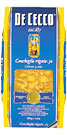 I skinned and broke up the sausages, and added them to the tomato mixture with 100 ml double cream. (Browning the sausages would have given extra flavour, but is a messy job -- bits of sausage tend to stick to the pan and burn.) I simmered this sauce for about 30 minutes, to thicken it again and to cook the sausage.
We ate it with conchiglie -- pasta shells, inside which bits of sausage satisfyingly nestled.
I bought two large, fresh tomatoes -- Dutch ones, which I usually avoid, but which were going to have their thin flavour concentrated through cooking and combination with other ingredients. I softened an onion and a clove of garlic in olive oil, added the tinned tomatoes and their juice, and the fresh tomatoes, chopped. I simmered the contents of the pan until they were thick, and pushed them through a vegetable mill. I dressed my daughter's pasta with some of this sauce.
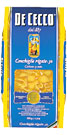 I skinned and broke up the sausages, and added them to the tomato mixture with 100 ml double cream. (Browning the sausages would have given extra flavour, but is a messy job -- bits of sausage tend to stick to the pan and burn.) I simmered this sauce for about 30 minutes, to thicken it again and to cook the sausage.
We ate it with conchiglie -- pasta shells, inside which bits of sausage satisfyingly nestled.
Wednesday, November 22, 2006
Sausages -- an update
I reported on my trial of Heston Blumenthal's technique, recommended in his television programme, for cooking sausages. You poach them at 65 C for 20 to 30 minutes (TV programme and Sunday Times version varied), then fry them. It seemed to work well. But I neglected to validate the trial with control sausages.
So I put two sausages to fry in my normal way: heavy pan, heat disperser, a little oil, very low flame. Turning them every so often, I gave them about 40 minutes to cook. Meanwhile, I heated a pan of water until bubbles started to appear, turned down the flame, put another heat disperser under the pan, and dropped in two more sausages. After the compromise time of 25 minutes, I removed them, placed them on paper towels to dry, and fried them -- starting them on a medium flame, turning them frequently, and, in an effort to prevent splitting, lowering the flame as they started to brown. They were ready in about eight minutes.
There was little to separate the two versions. The only significant difference was to the debit of the Blumenthal technique: the poached sausages had somewhat rubbery skins. You, or Blumenthal, might suggest that my poaching water was hotter than 65 C; and I could not gainsay that charge. But, as I do not have the equipment to maintain a simmering liquid at a precise temperature, I shall revert to my previous, slow-frying method.
That reduces the number of useful techniques I have gleaned from In Search of Perfection to nil. I'm enjoying it, though.
So I put two sausages to fry in my normal way: heavy pan, heat disperser, a little oil, very low flame. Turning them every so often, I gave them about 40 minutes to cook. Meanwhile, I heated a pan of water until bubbles started to appear, turned down the flame, put another heat disperser under the pan, and dropped in two more sausages. After the compromise time of 25 minutes, I removed them, placed them on paper towels to dry, and fried them -- starting them on a medium flame, turning them frequently, and, in an effort to prevent splitting, lowering the flame as they started to brown. They were ready in about eight minutes.
There was little to separate the two versions. The only significant difference was to the debit of the Blumenthal technique: the poached sausages had somewhat rubbery skins. You, or Blumenthal, might suggest that my poaching water was hotter than 65 C; and I could not gainsay that charge. But, as I do not have the equipment to maintain a simmering liquid at a precise temperature, I shall revert to my previous, slow-frying method.
That reduces the number of useful techniques I have gleaned from In Search of Perfection to nil. I'm enjoying it, though.
Thursday, November 02, 2006
Sausages
Heston Blumenthal said at the start of his new television programme that he would present us with techniques that we could use at home. A sausage stuffer? Liquid nitrogen? Dry ice and protective clothing? They won't be featuring in my home any time soon.
However, one idea of his did interest me. He advised a poaching of sausages for 30 minutes (the Sunday Times version gave the timing as 20 minutes) in 65C water, before frying on a medium heat. The gentle poaching helped to retain the juices of the meat, he said. A high heat for frying would cause the sausages to split; a low heat would cause the outsides to overcook.
I am not sure that I follow the logic of that last bit, but I do understand the need to cook sausages gently. I usually fry them on a very low heat, sometimes with a heat disperser beneath a heavy frying pan. The only other recipe I know that advises pre-poaching is Valentina Harris's sausages and beans in Italian Regional Cookery (BBC, now out of print). I thought I would give Heston's technique a try.
I had to guess the water temperature. I heated a saucepan of water until bubbles started to appear, put a heat disperser underneath it, turned down the flame to minimum, and dropped in the sausages. The water steamed, but did not bubble again. After 30 minutes (20 would probably have been enough), I took out the sausages, and let them dry on kitchen paper.
I heated a heavy frying pan on a medium flame, poured in a little groundnut oil (the oil that Heston recommended), and fried the sausages.
Sausages split much more easily than cookery writers allow, in my experience. At the weekend, Hugh Fearnley-Whittingstall offered a recipe for toad-in-the-hole, recommending that you heat oil or fat in a roasting tin in a gas mark 7/220C oven for 10 minutes, then throw in the sausages. If my butcher's sausages were to get that treatment, they would burst like an overstuffed corset. Even a medium heat puts them under pressure.
Small fissures, through which liquid spurted, appeared in my frying sausages. What I should have done was start them on a medium heat, turn them over after a minute, then gradually lower the flame as they continued frying.
Heston is on to something. In spite of the escape of juices, these sausages were plump and moist, and retained their chunky texture. I sometimes find that the meat in slow-fried sausages is, though juicy, rather compacted.
I should have slow-fried one of yesterday's sausages in order to compare the results. My failure to do so means that I am reluctant to assert that Heston's method is the best I have found. But I shall definitely use it again.
However, one idea of his did interest me. He advised a poaching of sausages for 30 minutes (the Sunday Times version gave the timing as 20 minutes) in 65C water, before frying on a medium heat. The gentle poaching helped to retain the juices of the meat, he said. A high heat for frying would cause the sausages to split; a low heat would cause the outsides to overcook.
I am not sure that I follow the logic of that last bit, but I do understand the need to cook sausages gently. I usually fry them on a very low heat, sometimes with a heat disperser beneath a heavy frying pan. The only other recipe I know that advises pre-poaching is Valentina Harris's sausages and beans in Italian Regional Cookery (BBC, now out of print). I thought I would give Heston's technique a try.
I had to guess the water temperature. I heated a saucepan of water until bubbles started to appear, put a heat disperser underneath it, turned down the flame to minimum, and dropped in the sausages. The water steamed, but did not bubble again. After 30 minutes (20 would probably have been enough), I took out the sausages, and let them dry on kitchen paper.
I heated a heavy frying pan on a medium flame, poured in a little groundnut oil (the oil that Heston recommended), and fried the sausages.
Sausages split much more easily than cookery writers allow, in my experience. At the weekend, Hugh Fearnley-Whittingstall offered a recipe for toad-in-the-hole, recommending that you heat oil or fat in a roasting tin in a gas mark 7/220C oven for 10 minutes, then throw in the sausages. If my butcher's sausages were to get that treatment, they would burst like an overstuffed corset. Even a medium heat puts them under pressure.
Small fissures, through which liquid spurted, appeared in my frying sausages. What I should have done was start them on a medium heat, turn them over after a minute, then gradually lower the flame as they continued frying.
Heston is on to something. In spite of the escape of juices, these sausages were plump and moist, and retained their chunky texture. I sometimes find that the meat in slow-fried sausages is, though juicy, rather compacted.
I should have slow-fried one of yesterday's sausages in order to compare the results. My failure to do so means that I am reluctant to assert that Heston's method is the best I have found. But I shall definitely use it again.
Subscribe to:
Posts (Atom)